Almost four years of voice notes
PLUS: cruising the internet, march 2026

Welcome to Genderbent, a newsletter for nerdy and nuanced conversations about gender and (trans)masculinity from journalist and sex writer Quinn Rhodes.
I am engaging in an act of creation that terrifies dominant power structures, and I want to make sure it is recorded.
It’s a little under four years since I started testosterone. Four years, in many ways, since I feel like my life really started. I applied my first dose of testosterone gel on a Friday, still shaky with the adrenaline of having finally been approved for the bridging prescription I had spent at least nine months begging my GP for.
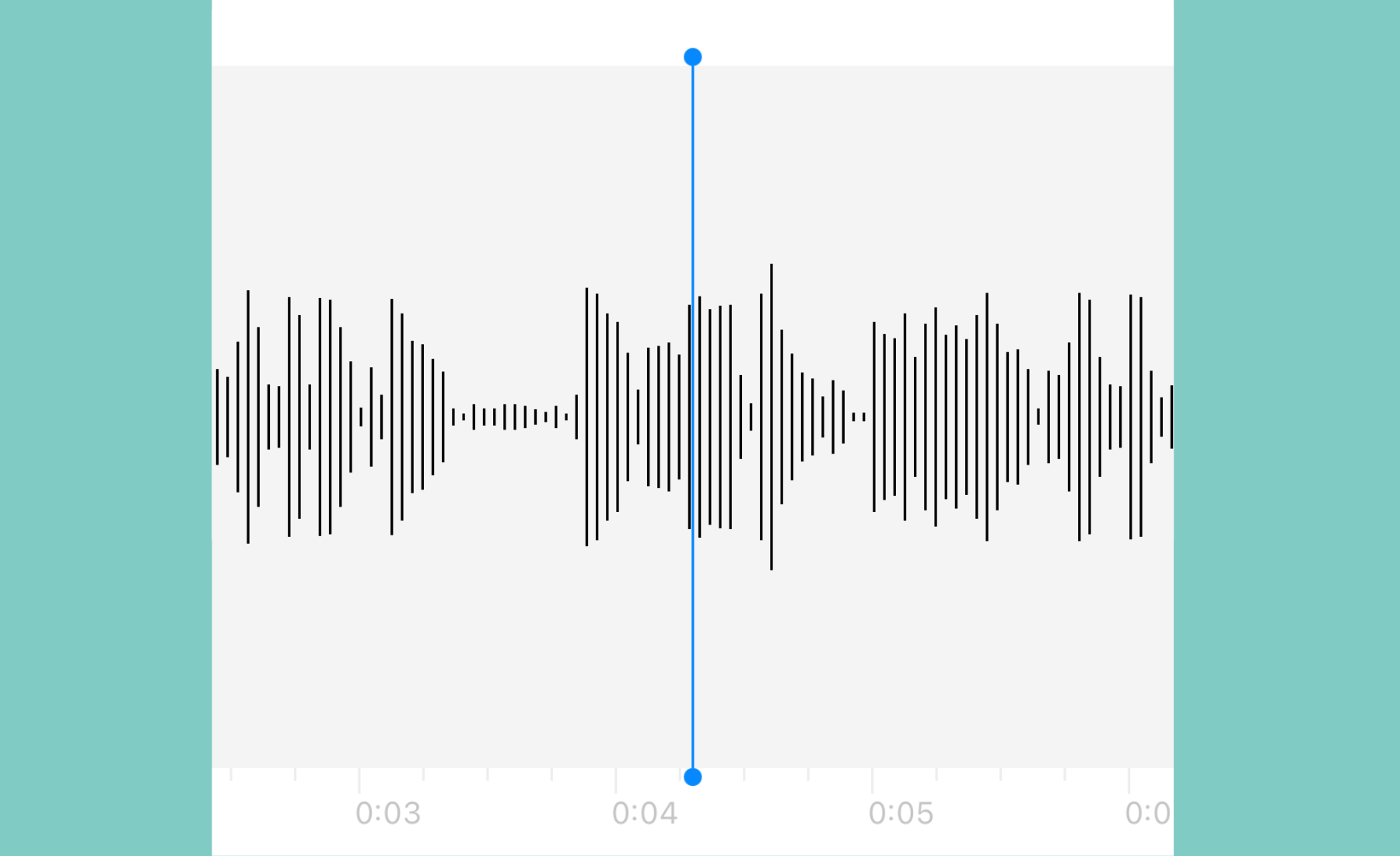
And, that evening, I opened the voice memo app on my phone and recorded a short voice note to capture what my voice sounded like before it changed on testosterone.
I’d like to pretend that I was realistic about how long it would take to start seeing testosterone’s promised changes, but I wasn’t. I was deeply depressed and while the joy I experienced from simply stating HRT helped, it wasn’t a magic wand that changed everything overnight. And honestly? I had been pinning my hopes on it doing exactly that.
The ways that my body has changed are undoubtable at 204 weeks on testosterone, but in those first weeks it felt like nothing was happening. The changes were so tiny and gradual that they were barely perceptible, and I was so desperate to feel anything was changing. So I started recording my voice every Friday as a way to track the changes I had to believe would eventually happen.
There wasn’t any difference between day one and week one – or even week five. But by week fifteen you could hear that my voice was slightly deeper. And as the weeks slowly passed and my collection of eight second-long voice notes piled up, the difference between my current voice and my pre-testosterone voice grew more obvious.
“It is Friday 24th April, and this is my voice 204 weeks on testosterone.”
Recently my girlfriend – who I’d just asked to give me a second to record my voice note during a Friday date night – asked me when I was going to stop encoding my voice every week. As silly as it seems, I don’t intend to stop, any more than I intend to stop taking testosterone. Sure, maybe the difference week to week isn’t huge, but my voice is still changing, still breaking, and the routine of weekly recordings helps. It grounds me.
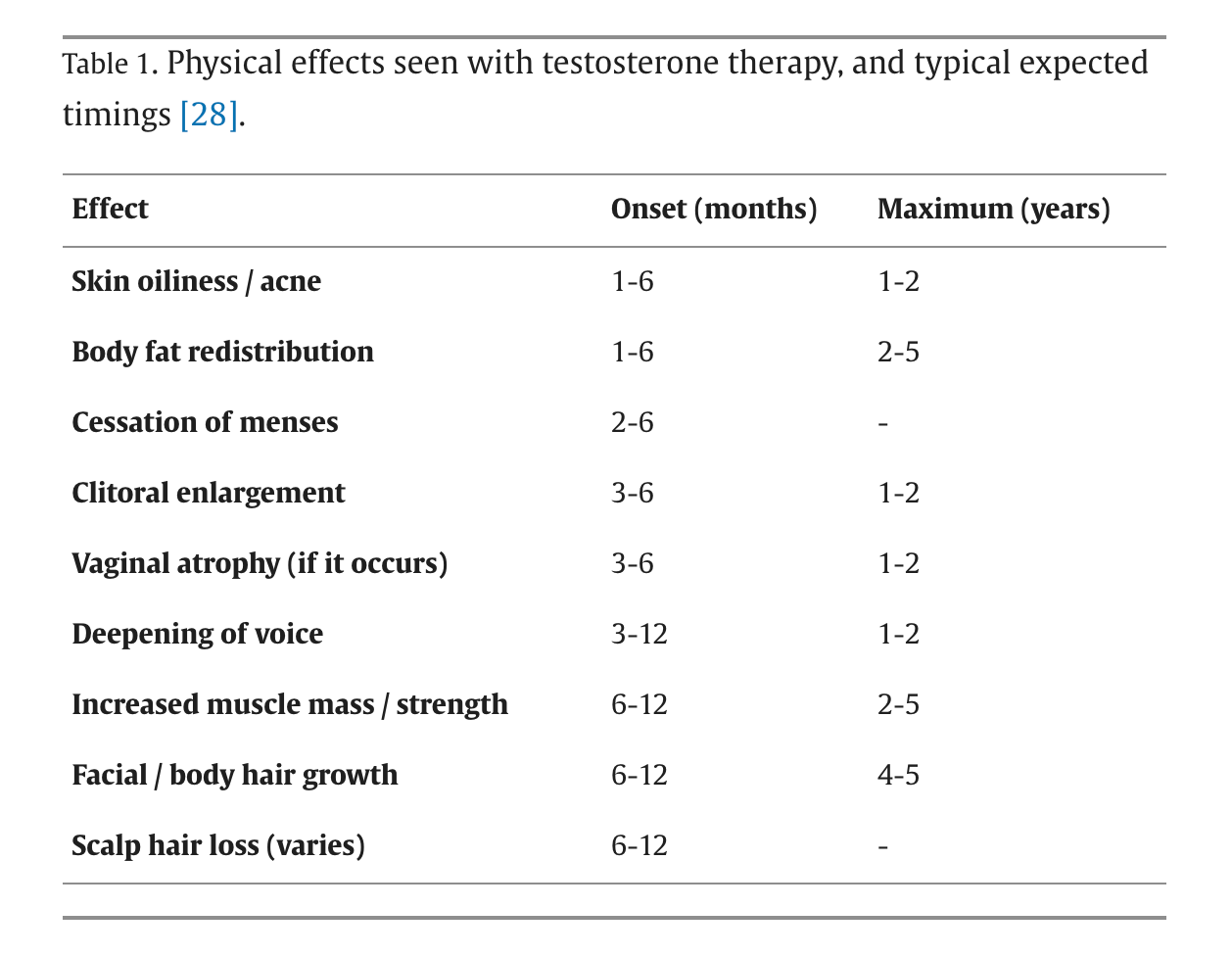
And my voice might not necessarily finish changing for a while. There are few long-term studies on trans people taking testosterone tracking when they experience those changes. (And, of course, these changes vary hugely from person to person and studies on trans healthcare are often incredibly small). The resources and research I've found generally say that trans people’s voices start getting deeper between three months and twelve months on testosterone, but there's no consensus on when those changes stop. While a lot of places say that your voice will stop getting deeper after one to two years on testosterone, there's studies showing that at least some of the effects of testosterone actually happen between three and five years on HRT – while more anecdotal data suggests that these changes can still happen even five years after starting testosterone.
Maybe one day I will publish the hundreds – maybe, eventually, even thousands – of eight second voice recordings as just one example of how a trans person's voice can change on testosterone. In the absence of sufficient research (and adequate healthcare) trans people often rely on anecdotal data to navigate our medical transitions. My experience is not necessarily representative of anyone else’s, but that doesn’t mean there wouldn’t be value in it, that another person just stating HRT might not find it helpful or reassuring.
It feels like a work of archiving, making this record of how my voice has changed. Capturing not only my voice breaking and its pitch deepening, but also a little of myself in those moments. The weeks where I tried to make my voice as low as possible, even though that’s not how it sounds when I talk without intentionally lowering it. The weeks where I forgot until it’s past midnight and had to add a few extra seconds to explain that I’m recording it on a Saturday (or, once, a Sunday). The weeks when I was crying just before I recorded it; the weeks where I was already half asleep.
It’s a record of how far I've come, but it’s also a moment of coming back to myself. A moment to remind myself that I am engaged in an act of making my body my own, remind myself why it’s worth continuing even when everything feels impossible.

I've been cruising the internet – here's what I've been writing, reading, and generally getting excited about recently.
you can find me
- Mask Up: Community care and wearing masks in 2025 – I was in November's issue of The Skinny, exploring why wearing a mask is an act of community care. While it might be preferable to act that the pandemic is behind us, COVID is still here – and ignoring this reality is harming us and our communities.
- The truth about dental dams – I also got nerdy about safer sex and wrote about dental dams for Script! I dig into whether there’s any evidence that dental dams are actually effective at reducing STI transmission (spoiler: no!) and discuss why they’re often the only way in which sex education attempts to include queer women.
let's talk about gender
- The Othered Woman: How White Feminism Harms Muslim Women° – I've been excited to read Shahed Ezaydi’s book since I preordered it in 2022, and it was every bit as brilliant as I expected! It was an incredibly engaging read, but what stuck out the most to me was the familiarity of the tactics of white feminism that Shahed explores. I’m not trying to compare transphobia to Islamophobia or racism, or claiming to have experienced the same discrimination as Muslim women, but I’m a little ashamed of how surprised I was that the ways white feminism is weaponised against Muslim women are so similar to how it is weaponised against trans people.
- The Olympics Has a New Sex Testing Policy. The Evidence Doesn’t Add Up – Reo Eveleth explains why gender verification tests are transphobic, yes, but also lack any semblance of scientific evidence! It made me want to finally listen to their podcast about gender verification in sports, Tested, and also reread The Other Olympians° by Michael Waters (which I have not shut up about since I first read it in 2024).
- ...

Want to read the rest of cruising the internet? Subscribe for free here:

Thank you for being here! You can subscribe for free below to get essays delivered directly to your inbox, and subscriber-only cruising the internet round-ups. By becoming a paid subscriber, you can help keep my writing about gender and masculinity free and accessible for everyone.